
Cars have range anxiety. Phones have the 4pm hunt for a plug.
The Redmi Note 17 5G answers that with 7,700mAh and very little else to shout about. We used it the way most people actually use a phone - videos, Facebook, a bit of light gaming - and simply stopped thinking about the charger for two and a half days.
 Tap to enlarge
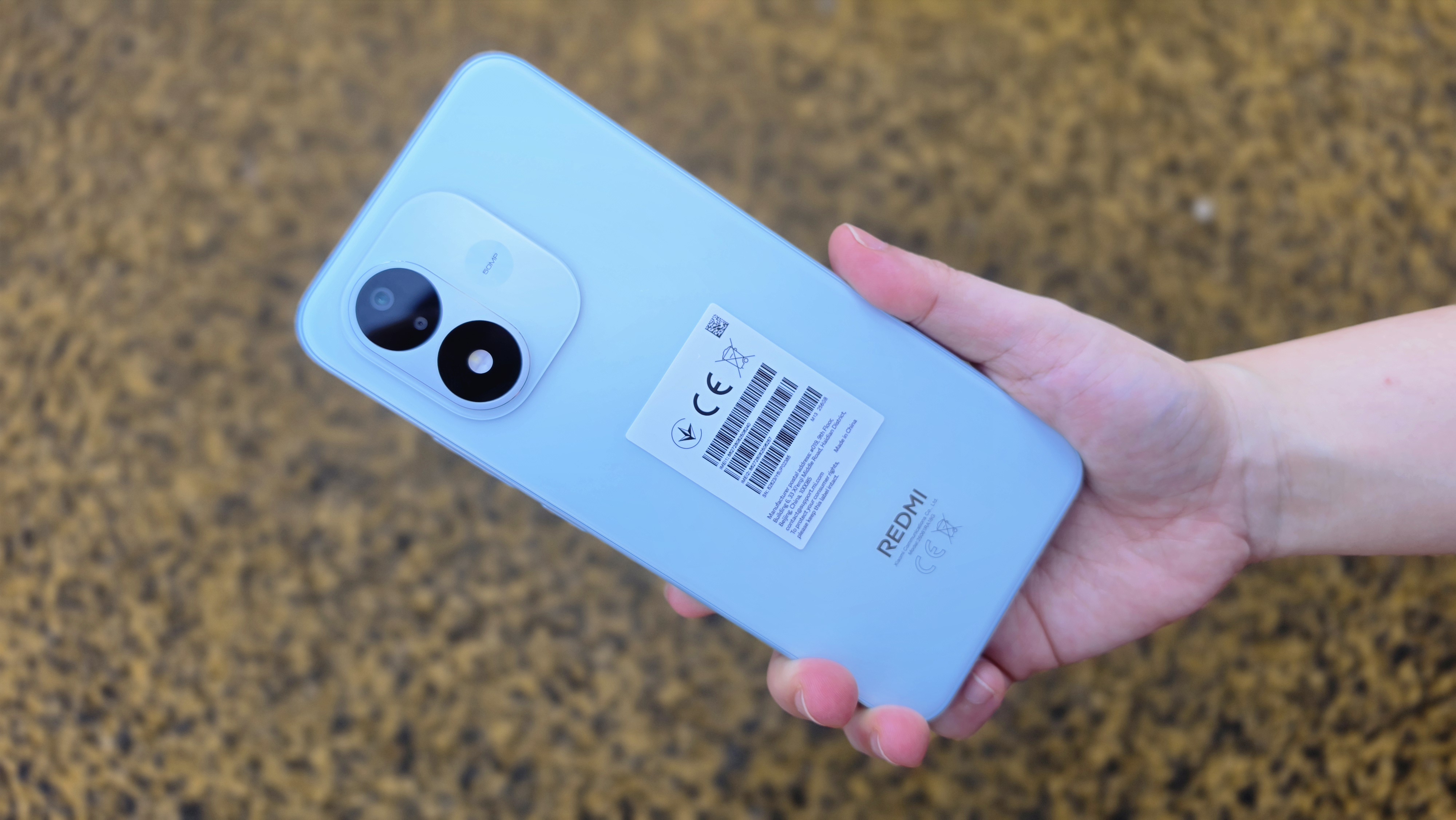
Redmi Note 17 5G
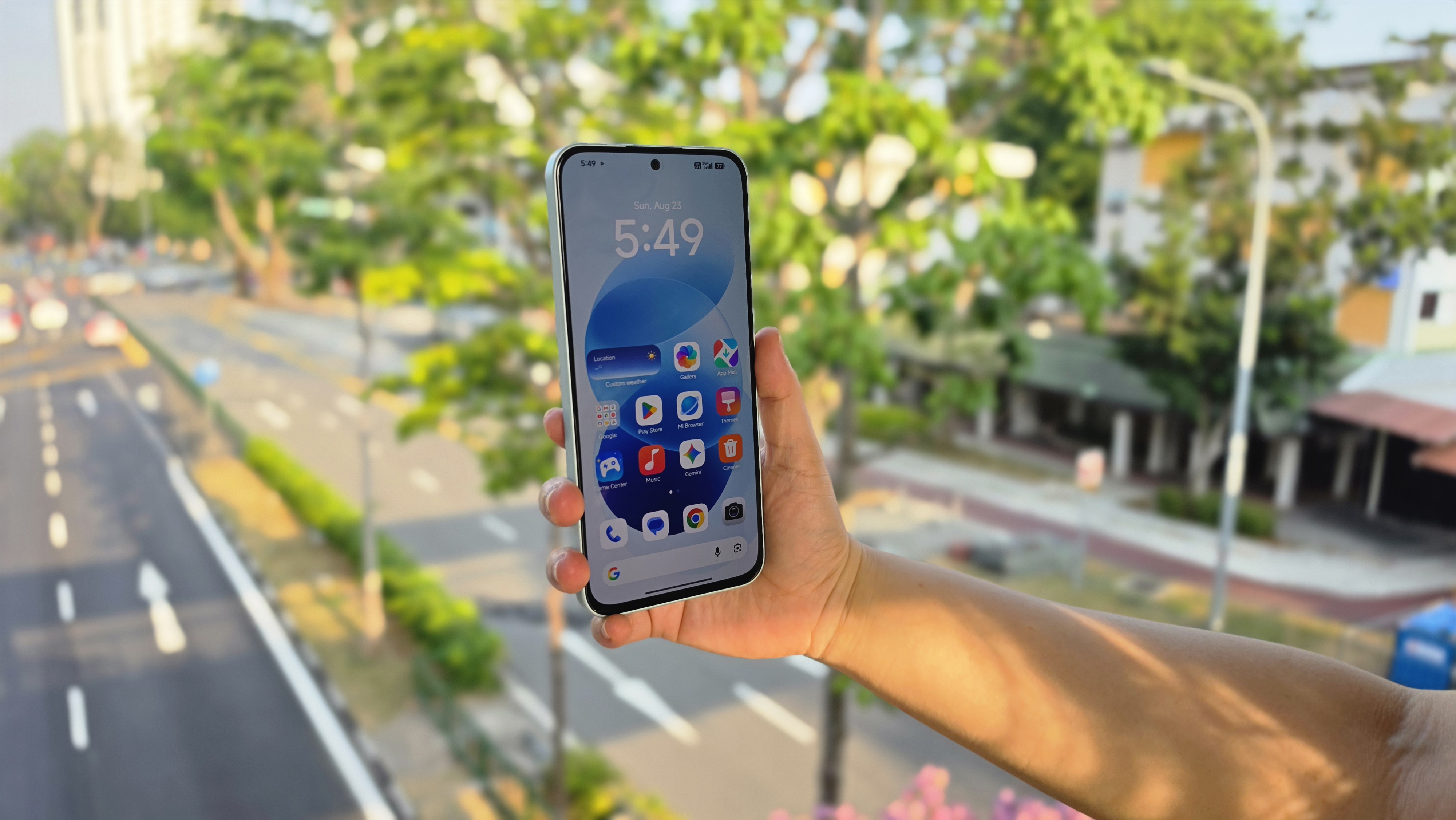
Every category has its own version of anxiety. Buy an EV and you spend the first month watching the range counter instead of the road. Buy a phone and you learn where every power point in your office is. The Redmi Note 17 5G is built almost entirely around removing the second one: 7,700mAh in the chassis, a 45W charger in the box, and a spec sheet that spends its money there rather than anywhere flashy.
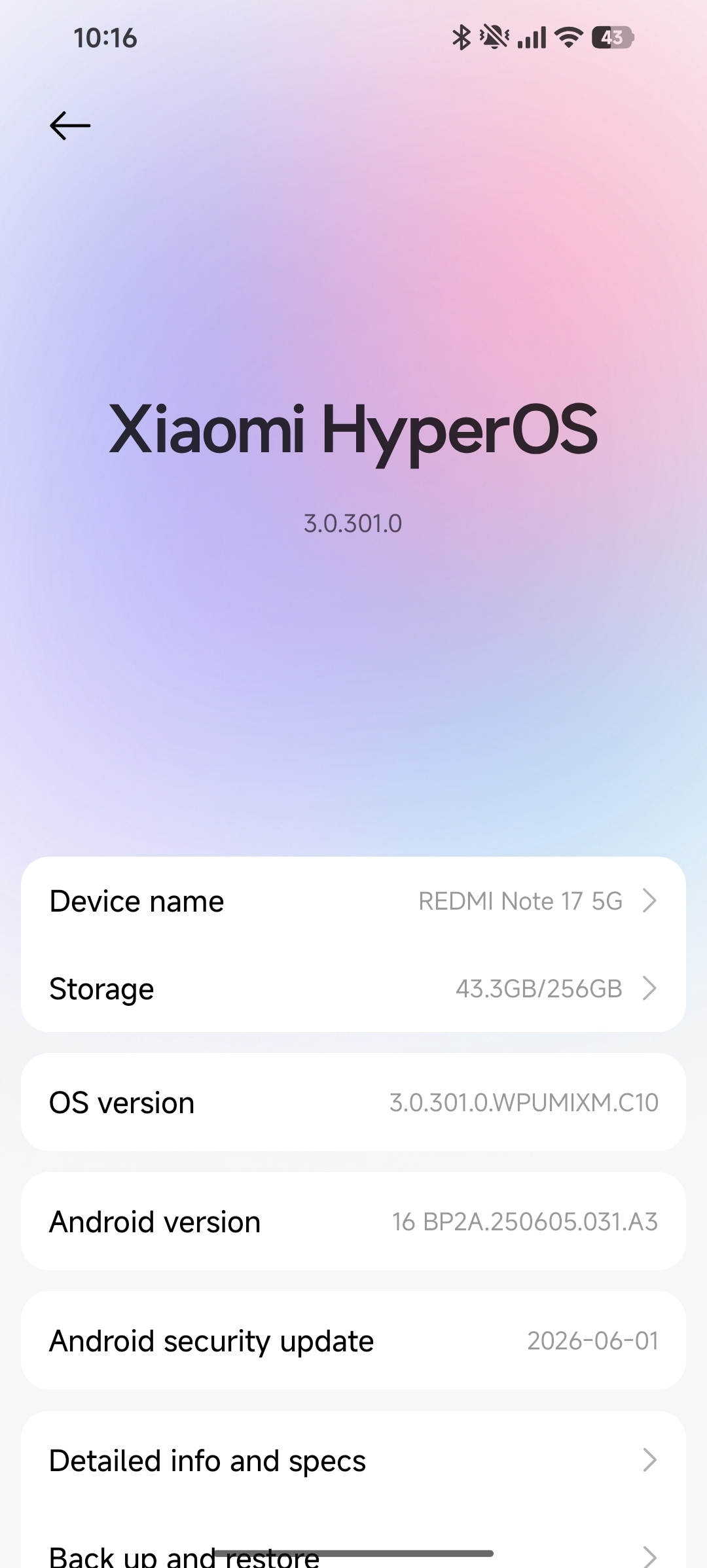
What you get around that battery is a 6.99-inch AMOLED, a Snapdragon 4 Gen 4, 6GB of RAM, 256GB of storage, Android 16 under Xiaomi's HyperOS 3.0 - and a lot of preloaded Xiaomi software you'll probably want to spend an evening removing. This is a review of living with all of it, not just the headline number.
7,700mAh, and the charger stayed in the drawer
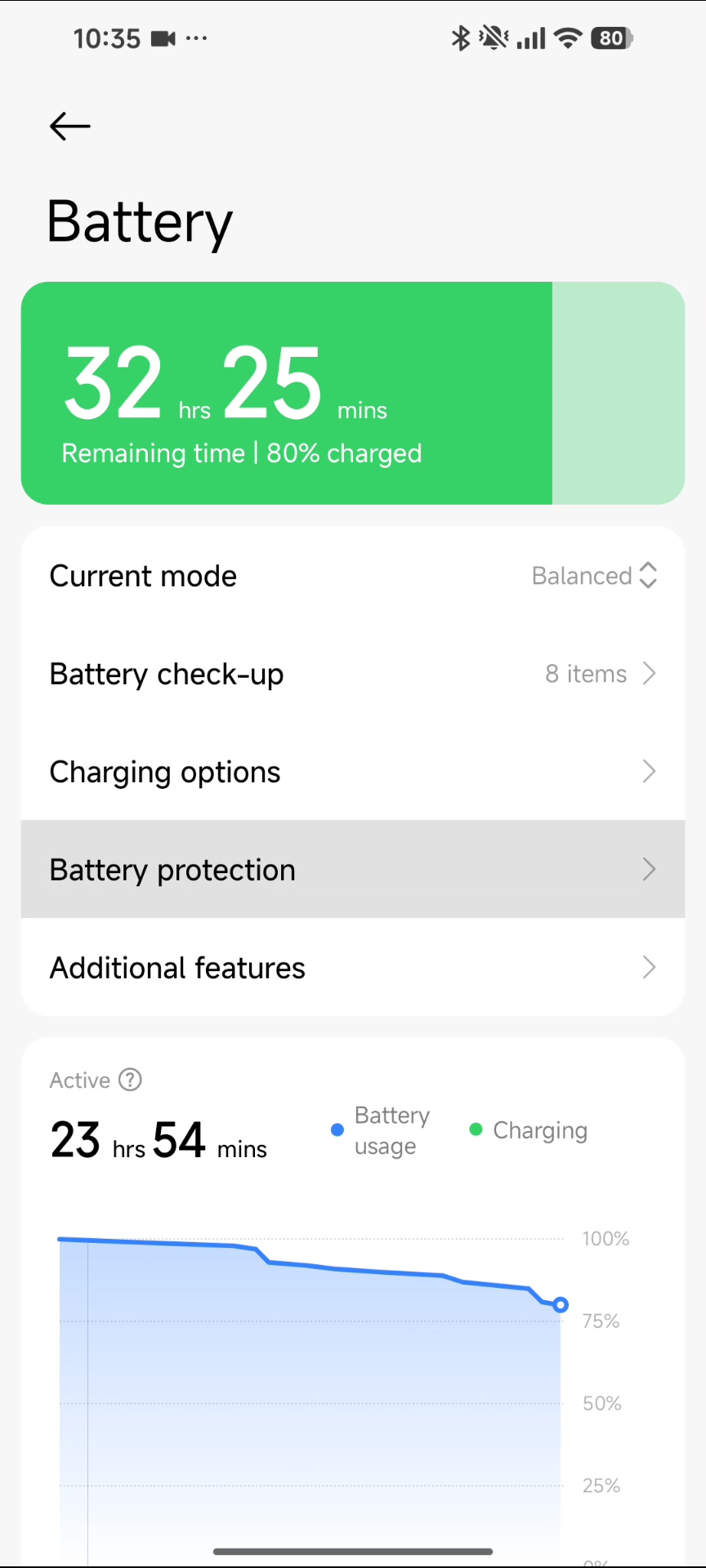
The claim is the reason this phone exists, so it's the first thing we pushed on. Our load was ordinary and unglamorous: YouTube and video in the evenings, a lot of Facebook scrolling, some light gaming, messages and calls throughout. Not a lab test with everything switched off, and not a stress test either - just normal use.
 Tap to enlarge
On that diet it ran almost two and a half days between charges - comfortably inside Xiaomi's own "beyond 2-day battery life" claim for the 7,700mAh cell, and a rhythm genuinely different to live with. You stop topping up at lunch, you stop carrying a power bank on a day out, and the charging cable becomes a thing you use every second or third night rather than every night.
When you do plug in, the bundled 45W turbo charger takes it from 5% to full in about 90 minutes. That's not the sub-40-minute sprint you'd get from a flagship, but with a tank this size it's a fair trade, and it matters far less when you're only doing it twice a week. There's also 22.5W wired reverse charging, so the phone can act as a power bank for a friend's dying handset or a pair of earbuds.
6.99 inches of AMOLED, minus the HDR
The panel is the second place Xiaomi clearly spent money. At 6.99 inches it's a welcoming amount of screen for video and browsing, and it's AMOLED rather than the LCD you'd normally expect at this end of the market, running at FHD+ resolution with eye-care certification for lower blue light on top. Colours are vibrant and accurate rather than oversaturated - clear, and to the point, without the cartoon look cheaper panels lean on.
 Tap to enlarge
Peak brightness runs to 1,800 nits, which is the number that actually matters here: under Singapore afternoon sun the screen stays readable without you cupping a hand over it. The 120Hz refresh rate does the rest, keeping scrolling smooth enough that the phone feels quicker than its processor really is.
The gap is HDR - there's no HDR support, so streaming content that would normally shift into a wider dynamic range simply doesn't. In practice you're getting a bright, colourful, high-refresh SDR panel. For most viewing that's fine. If you're the sort who cares that a Netflix title is playing in HDR, this isn't your phone.
Audio is the more obvious compromise. There's a single speaker at the bottom, so everything is mono. It's loud enough to hear across a room and perfectly serviceable for a video call or a YouTube clip, but music comes out flat - no stereo separation, no real bass beneath it. Anything you actually want to listen to, you'll want on headphones.
Two app stores, and only one of them is polite
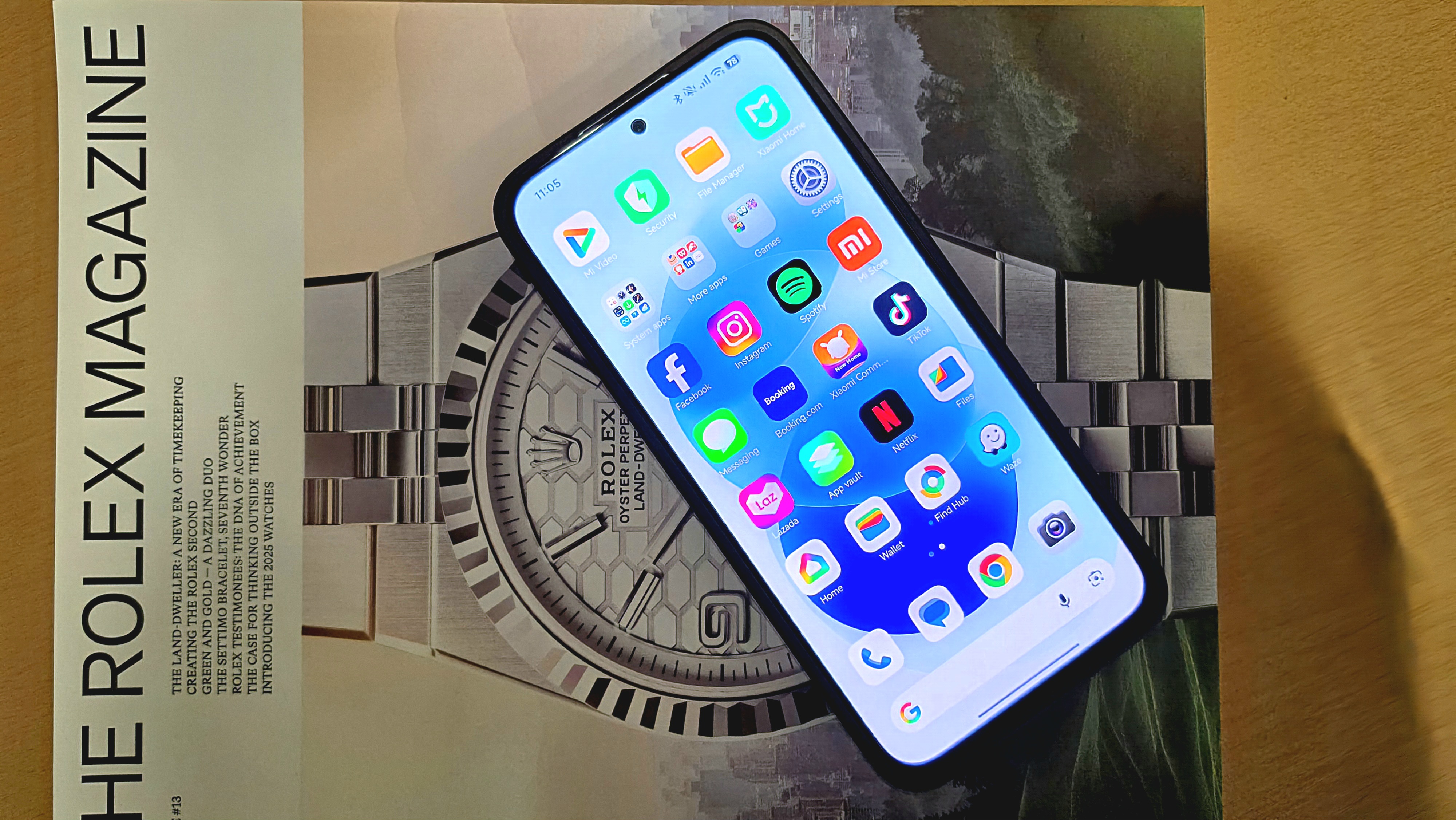
Out of the box this runs Android 16 under HyperOS 3.0, and it arrives full. Alongside the Google Play Store, Xiaomi loads its own Mi store, plus a Mi-branded music store and a spread of other first-party apps - most of which you'll may never open. On top of that sit third-party preloads: Booking.com, Netflix, Lazada, and a set of games that appear as icons but still need to be downloaded from the Mi store before they'll run.
 Tap to enlarge
 Tap to enlarge
The friction shows up when you use the Mi apps. Open the Mi store and ads load before you get to the store itself - not one, but enough that it becomes a small tax on every visit. The Play Store has none of that. Once you've noticed the difference, the decision makes itself, and the Mi store becomes something you only touch when a preloaded game forces you to.
Having both stores might be confusing, particularly for anyone less comfortable with Android. Two places to install from, two sets of updates, two accounts. Set aside an evening when you first get the phone to uninstall or disable what you don't want - the phone is noticeably simpler to live with afterwards, and there's nothing here you can't remove or ignore.
The detail we did like is small and physical. The optical fingerprint sensor sits under the display, and the icon lights up the moment your finger lands on it - so you get immediate confirmation you've hit the right spot instead of pressing blindly and waiting for a failed read. It's a tiny thing that removes a daily irritation.
The one commitment that outlasts all of the above: Xiaomi backs this with 6 years of security updates. That's a genuinely long runway for a phone in this bracket, and worth factoring in if you're the sort who keeps a phone well past its second year rather than upgrading on a cycle.
One 50MP lens doing all of the work
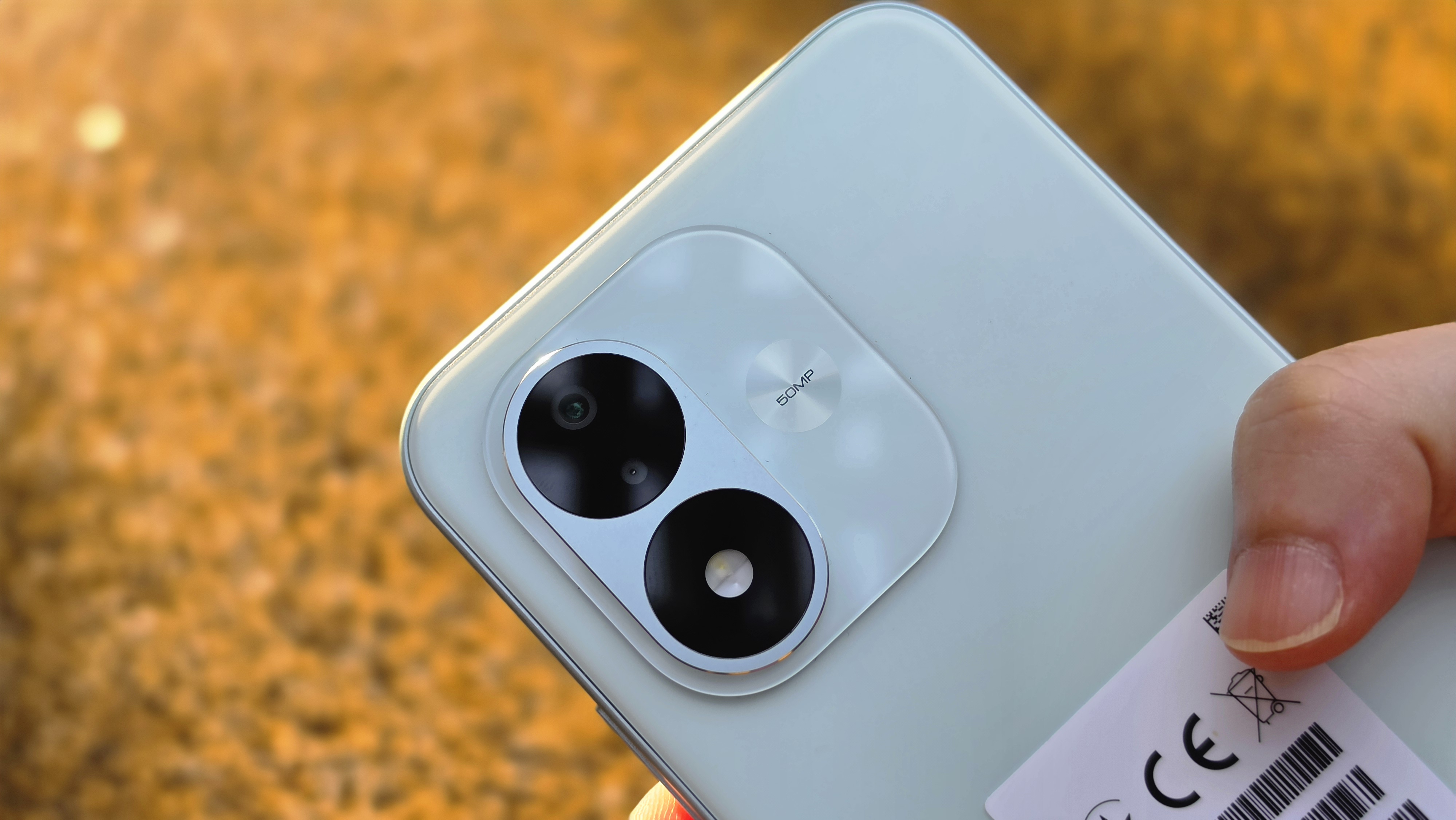
The camera is where the budget clearly ran out, and Xiaomi hasn't pretended otherwise. There's a single 50MP main camera on the back with a zoom-out option and a 2x crop zoom, and that's the whole range - no dedicated telephoto, nothing beyond 2x. Pro mode survives, which is the right call: if you know what you're doing with exposure and white balance, the raw sensor has more in it than the auto mode gives you.
The mode menu is more generous than the single lens suggests. Beyond auto, there's Pro, Portrait, Document, Night, Ultra HD, and a handful of others alongside them - so you're not stuck picking between "point and shoot" and manual. There's also a built-in beautify function, and it's handled the sensible way: you set the intensity before you press the shutter rather than digging into an edit afterwards, so what you see in the viewfinder is closer to what you get.
 Tap to enlarge
 Tap to enlarge
Straight off the sensor, no filters or touch-ups. Colours are good and natural, more than enough for capturing the moment - just don't expect much beyond that.
Night mode is there, and it does the job you'd expect at this price. Both samples below are raw and unedited, straight out of camera - no filters applied. Generally it's okay: the scene holds together and details come through, but noise is noticeable once you look closely, particularly in the shadows.
Video is basic and honest about it: 720p and 1080p, both at 30fps, with no 4K option at all. The 8MP front camera is adequate for video calls and the occasional selfie and not much more. If photography is anywhere near the top of your list, this is the specification that should send you elsewhere.
 Tap to enlarge
 Tap to enlarge
Night mode, without zoom (top) and with zoom (bottom). Both unedited.
Enough phone for the things most people do
Under the screen is a powerful Snapdragon 4 Gen 4 - an octa-core platform running to 2.3GHz - paired with 6GB of physical RAM and 256GB of storage on our review unit. Xiaomi markets this as "up to 16GB with Memory Extension," which is the physical RAM plus a chunk of storage borrowed and used as virtual RAM - useful for keeping a few more apps parked in the background, but it's not a substitute for the real thing when something genuinely heavy is running. On paper the physical spec is entry-level, and in use it behaves exactly like entry-level done competently. Browsing, banking apps, YouTube, messaging and light gaming all work without drama.
 Tap to enlarge
What you notice is the pause. Tap an icon and there's a beat before the app appears; open TikTok and it takes a moment to load rather than snapping open. Nothing breaks, nothing stutters mid-use - it's simply a phone that starts a fraction later than a more expensive one. If your day is browsing, banking, video and a bit of gaming, 6GB is the right amount of RAM for it. If you're the type who keeps fifteen things open, look further up the range.
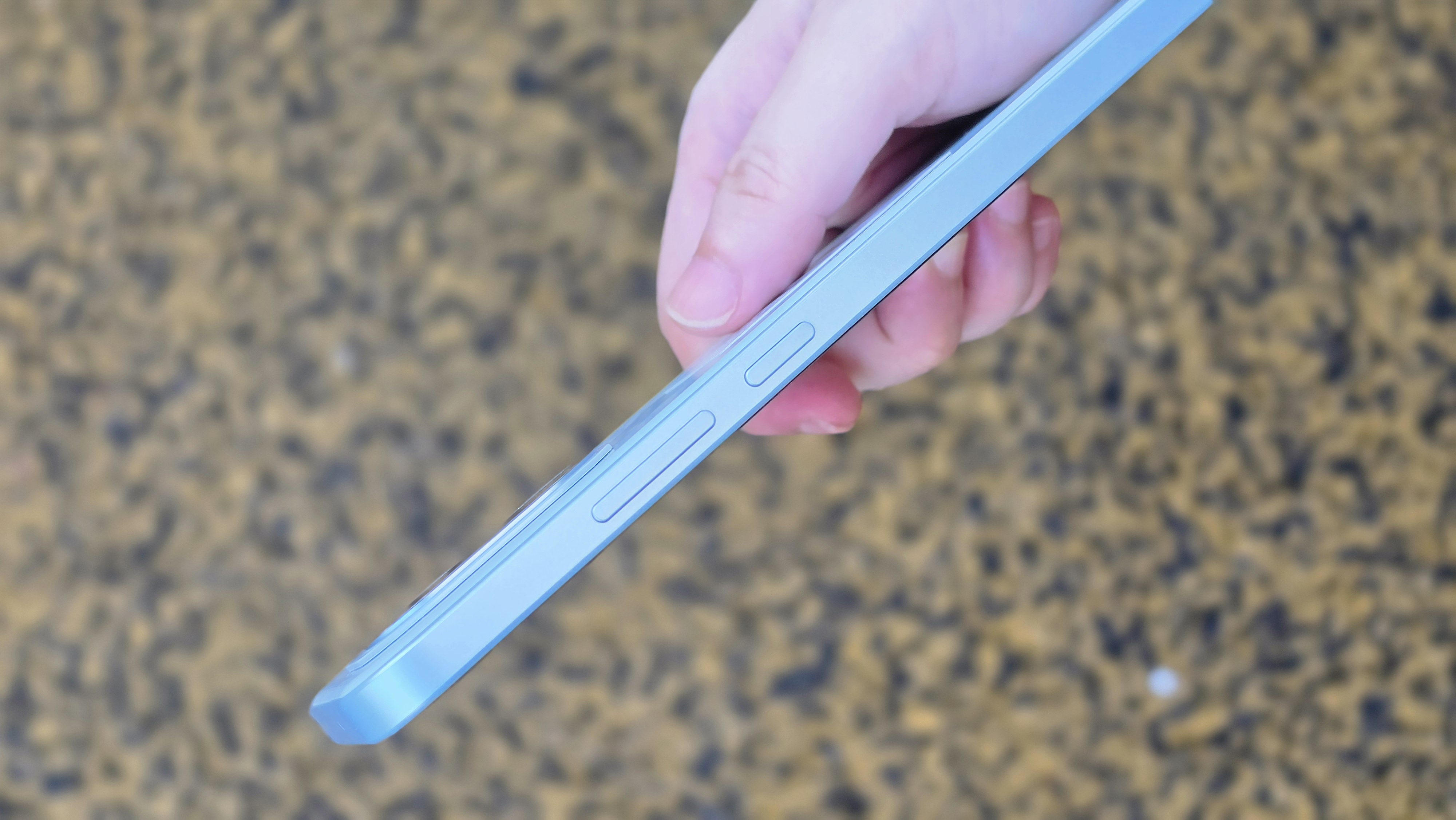
In the hand, the balance is good. It's not bulky and the grip is secure, but the body is tall - so tall that reaching the browser address bar with your thumb, one-handed, isn't happening for most people. This is a two-handed phone in practice, and it's worth handling one before you commit if you're used to something smaller.
Everything you need, on day one
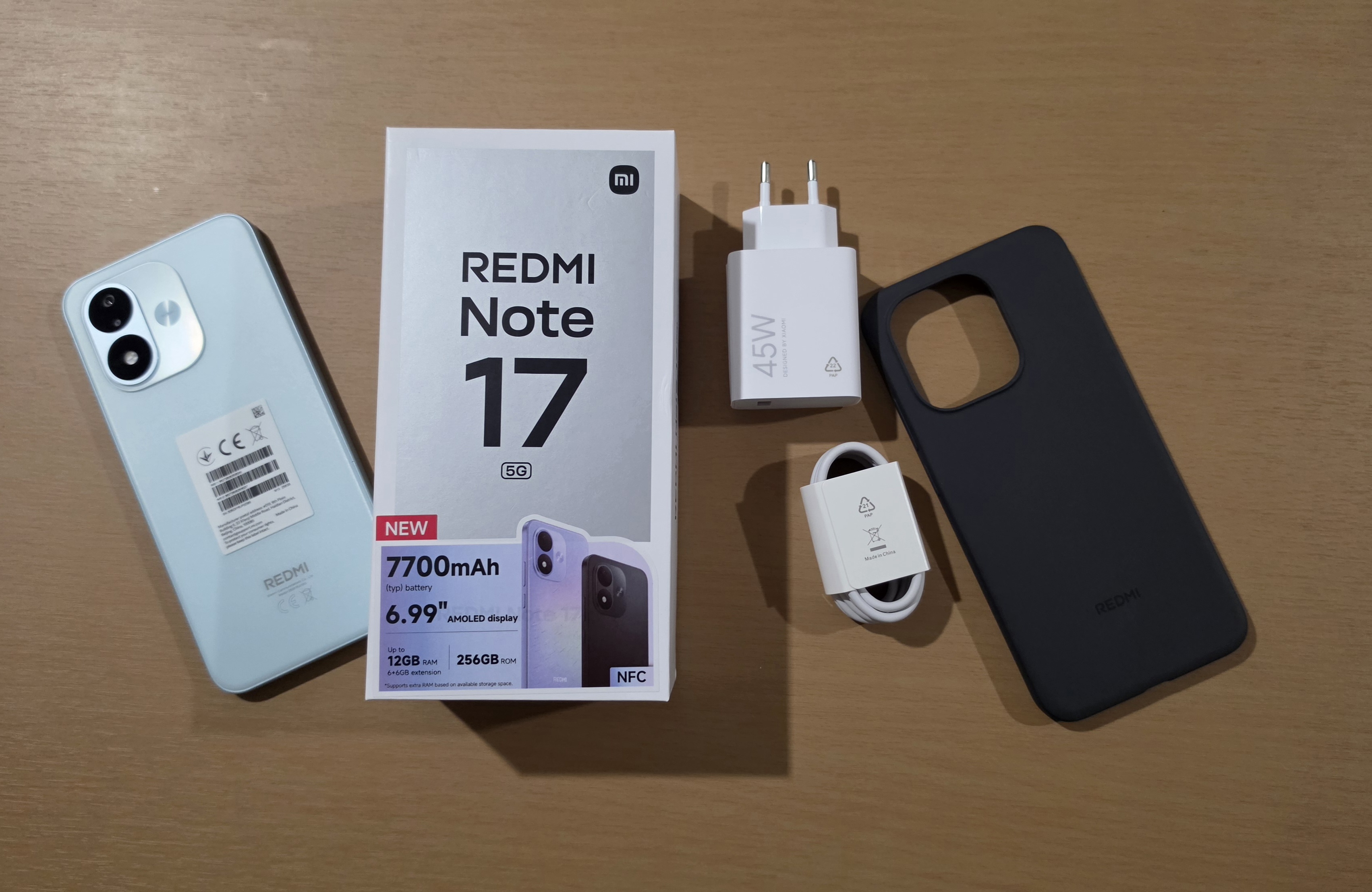
The unboxing is the quiet highlight. Inside you get a dark grey rubber case, a 45W charger and cable, and a screen protector already applied at the factory. Nothing to order, nothing to fit yourself, no first-week anxiety about dropping an unprotected phone - a good move by manufacturers who mostly stopped including adapters years ago.
The front is Corning Gorilla Glass 7i, rated for 3,000 cycles of scratch resistance, and NFC is supported, so contactless payments work as you'd expect. The one real omission is eSIM: there's no support for it, which is a pity in a market where more carriers are pushing that way. Physical SIM only.
 Tap to enlarge
A good no-frills phone for simple daily use
The Redmi Note 17 5G knows what it is. The battery is the product, and it delivers - two and a half days of normal use is the kind of number that changes a daily habit rather than winning an argument on a spec sheet. Around it sits a bright, colourful 120Hz AMOLED and a processor that does everyday tasks properly, if never quickly.
What you give up is everything else: mono audio, a camera with one lens and no 4K, no HDR, no eSIM, no app switching, and a pile of preloaded Mi software you'll want to clear out before the phone feels like yours. Do that one bit of housekeeping and what's left is a straightforward, long-lasting handset for anyone who wants a phone to just work and stay charged.
 Tap to enlarge